Tips & Notes
Everything Worth Knowing
Six short, specific things about extra virgin olive oil — how to read it, taste it, keep it, and use it well. Pick one.
Tips & Notes
Varieties and Packaging Colors
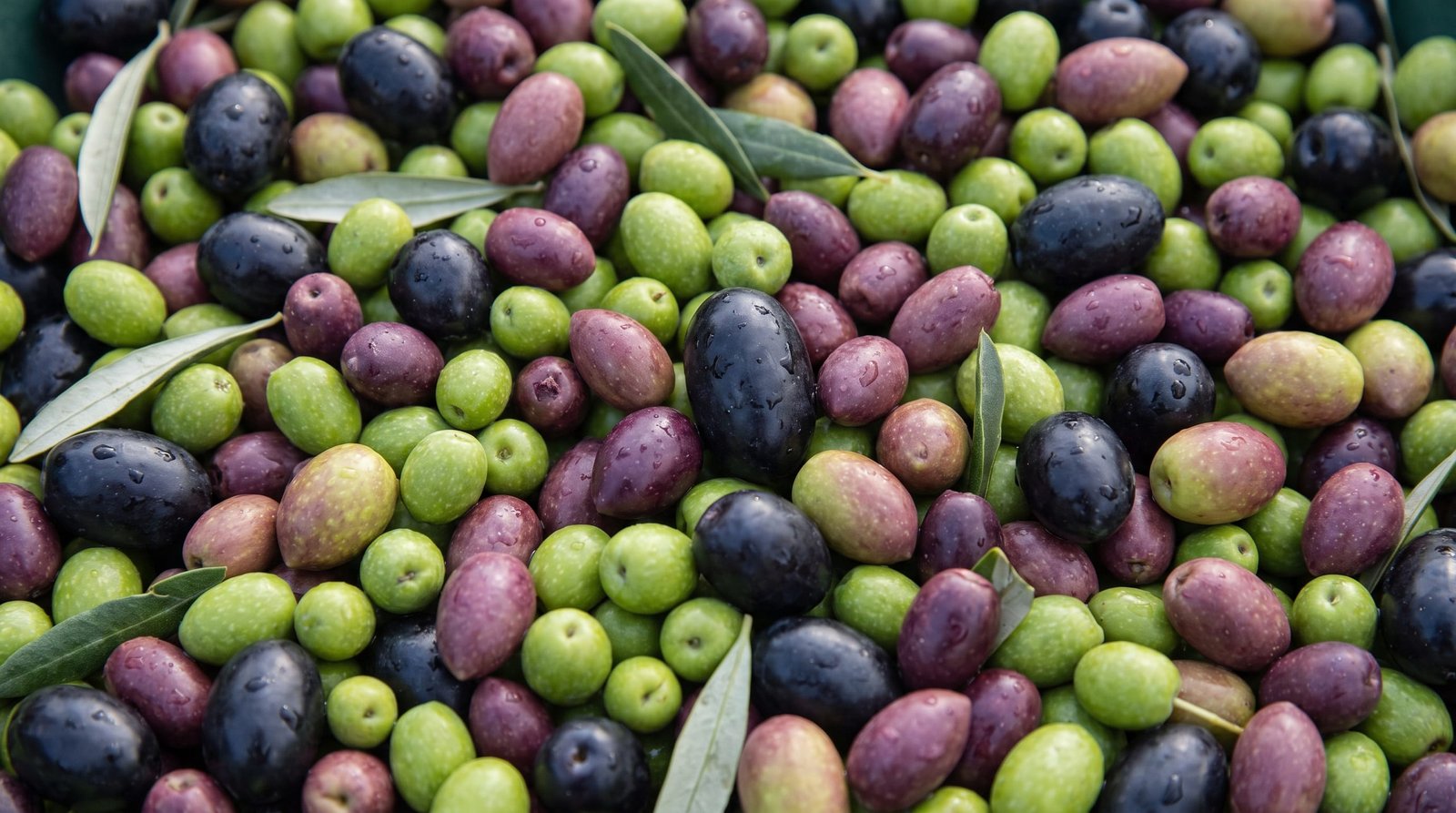
Every Qarthajanna label carries a color, and the color is never decorative. Purple marks our Chetoui, pressed in the highlands of northern Tunisia — a color chosen for strength and luxury. Yellow marks filtered Chemlali from the Tunisian Sahel, standing for clarity. Green marks unfiltered Chemlali, also from the Sahel, standing for nature and freshness.
Reading the color first tells you the variety and the filtration before you’ve even turned the bottle around.
- Purple — Chetoui, from northern Tunisia’s highlands
- Yellow — filtered Chemlali, from the Sahel
- Green — unfiltered Chemlali, from the Sahel
Tips & Notes
Green vs. Yellow Oil, Filtered vs. Unfiltered
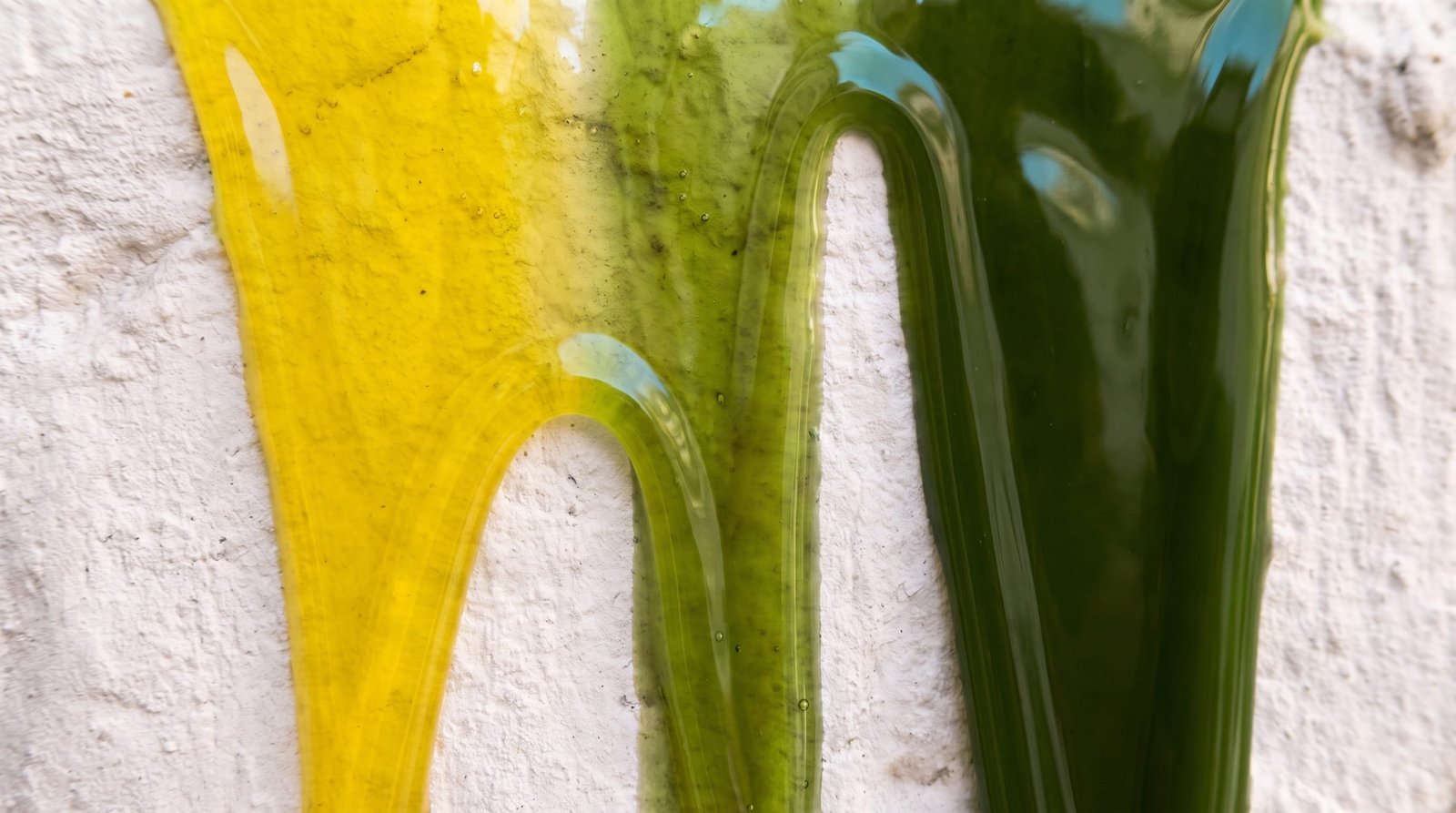
Green oil comes from unripe olives, picked early. It carries a stronger bitterness and pungency, is rich in polyphenols, and is best suited to raw consumption. Yellow oil comes from ripe olives — a balanced, pleasant taste suited to everyday eating and cooking.
Unfiltered oil still holds a trace of olive pulp and water droplets, giving it a fresher, fruitier character — available only early in the season. Filtered oil has been cleared of all sediment: clear, with a smoother, more stable taste, a longer shelf life, and better suited to cooking.
- Green, early-picked — stronger, rich in polyphenols
- Yellow, ripe — balanced, for daily use
- Unfiltered — fresher, fruitier, early-season only
- Filtered — clear, stable, longer shelf life
Tips & Notes
How to Preserve Quality for as Long as Possible
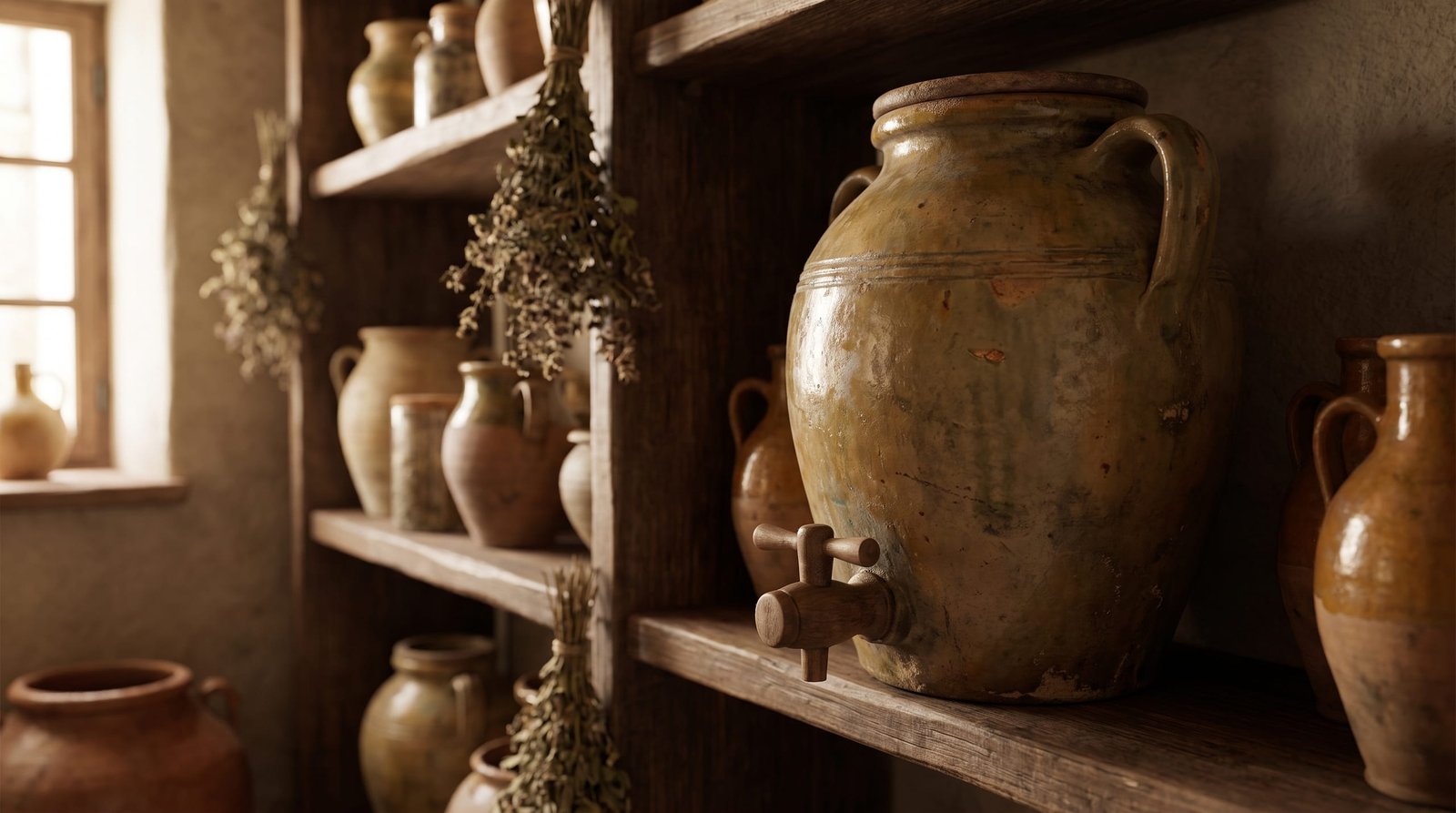
Light, heat, air, and odors are the main enemies of olive oil. Avoid exposing the oil to light or storing it in transparent bottles — opaque packaging helps preserve its quality. Keep it away from heat sources or warm environments; air exposure speeds up oxidation and alters both taste and aroma.
Keep the oil away from strong or persistent odors nearby, too. Poor storage conditions can cause it to turn lighter in color or develop reddish tones — both signs the oil has aged before its time.
- Store away from light — opaque packaging, never clear glass
- Keep away from heat sources and warm rooms
- Air exposure accelerates oxidation
- Keep away from strong, persistent odors
Tips & Notes
Frying
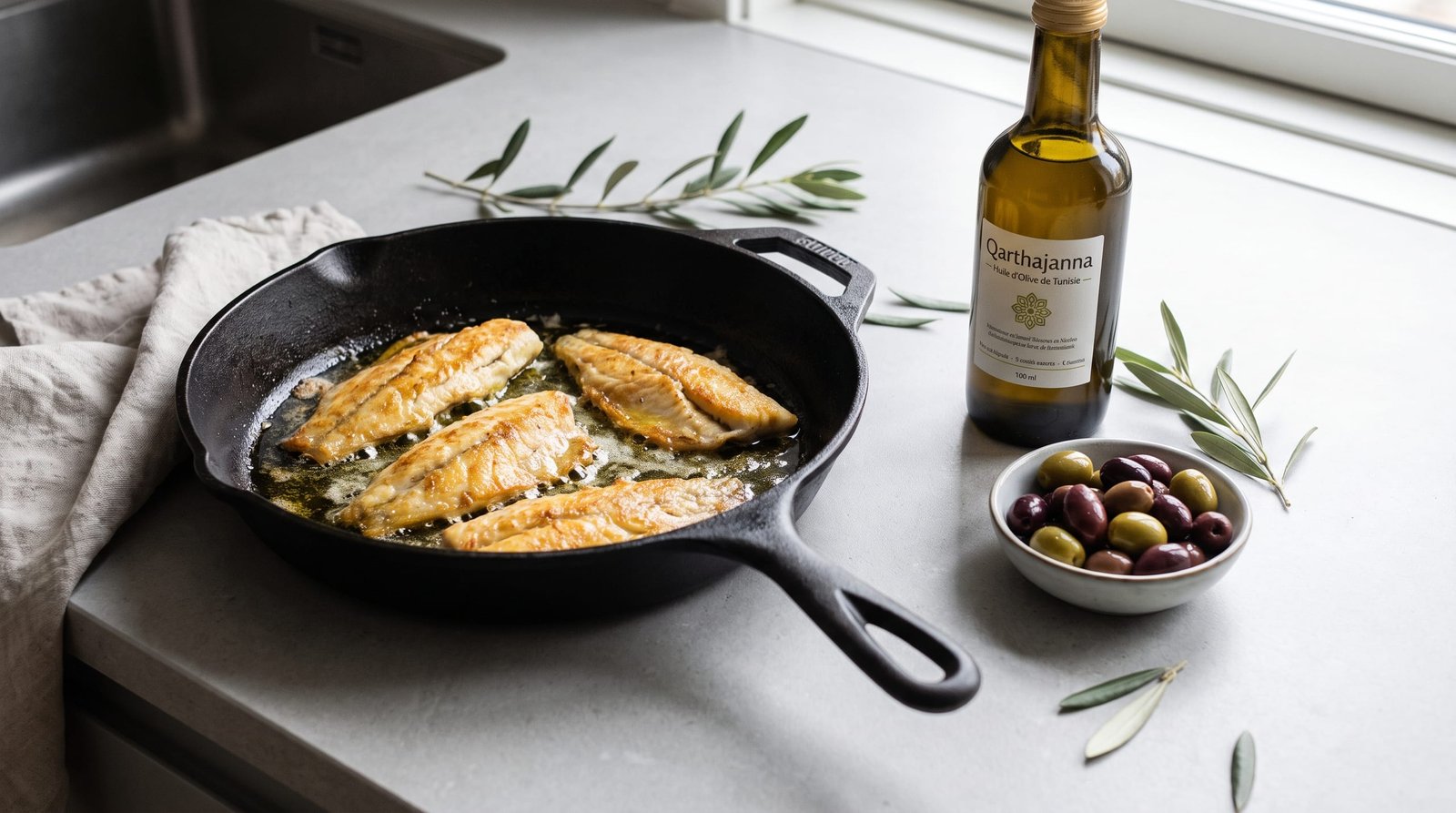
Olive oil is well suited to frying. It can be reused up to five times, as long as the temperature never exceeds 180°C — past that point the oil begins to break down and lose what makes it worth cooking with.
- Suited to frying
- Reusable up to 5 times
- Keep temperature at or below 180°C
Tips & Notes
Soaking
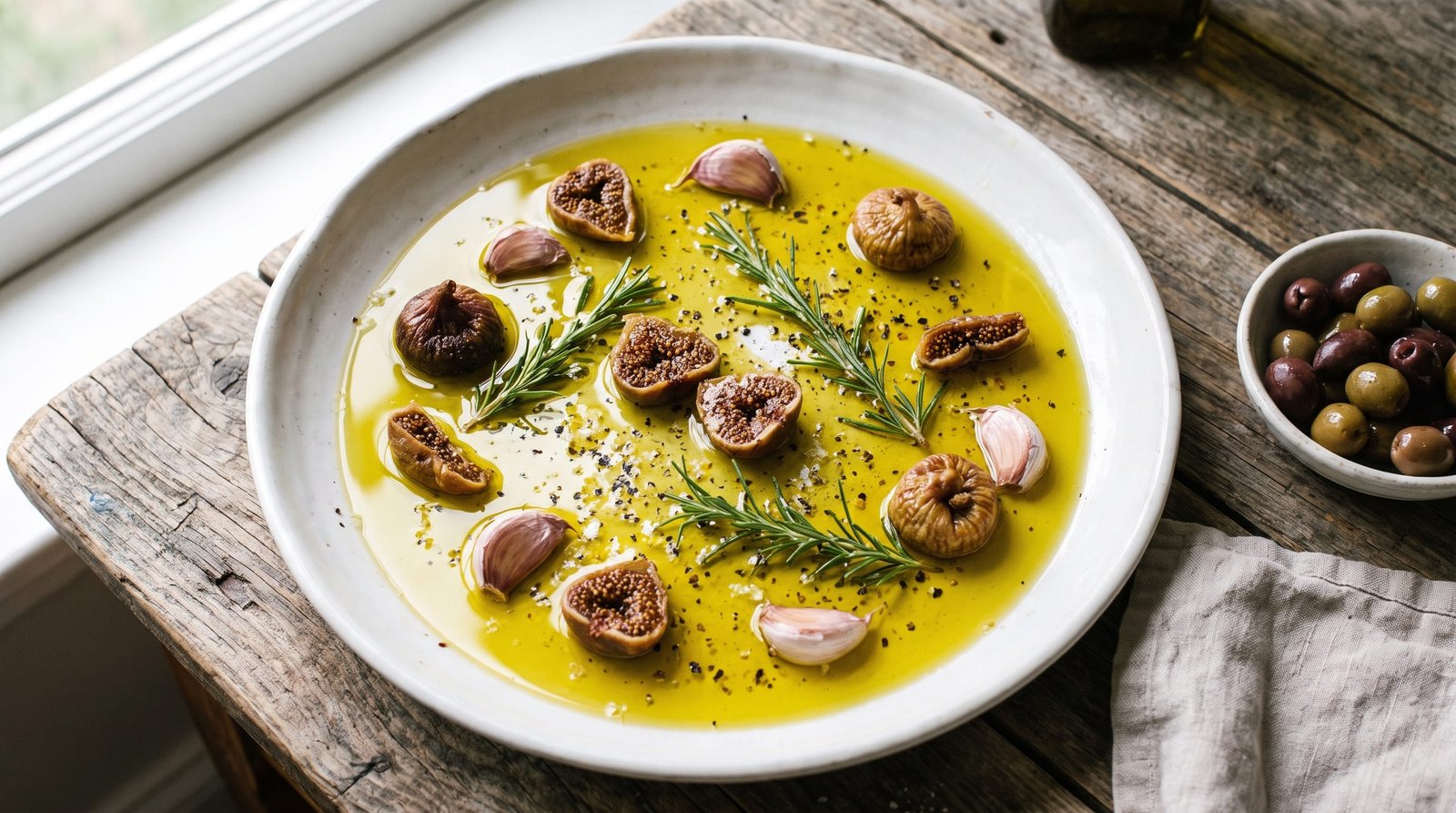
Soaking figs, garlic, chili, rosemary, and other ingredients in the oil adds flavor and extra benefit — and helps preserve them for a long time.
- Figs, garlic, chili, rosemary — all take well to infusion
- Adds flavor and extra benefit
- Preserves the ingredients for a long time
Tips & Notes
Your Guide to Choosing the Oil
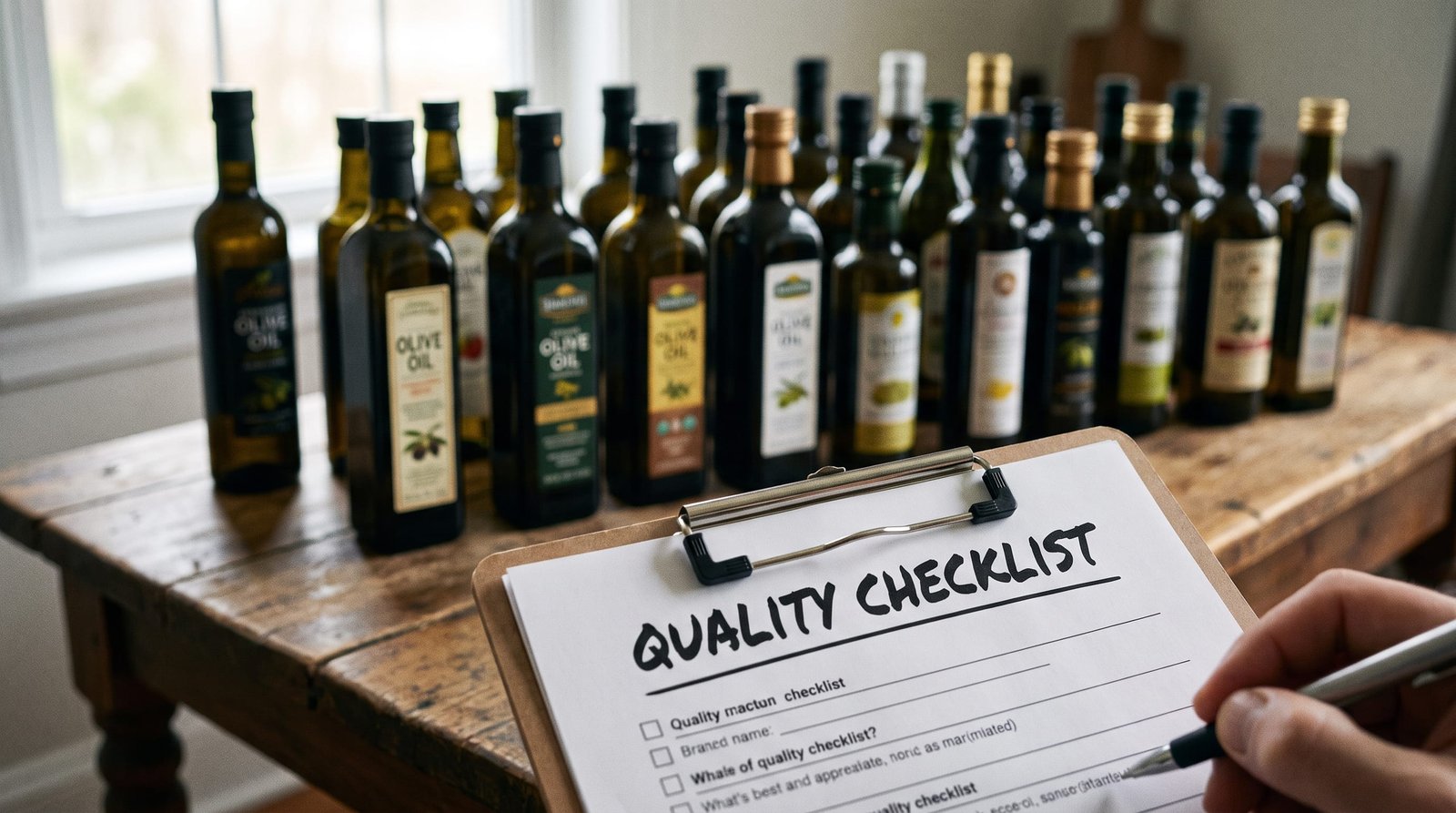
Color is not an indicator of quality — it follows harvest time and variety, not merit. What matters is on the label: the olive variety, the country of origin, and whether it’s marked "extra virgin" with its acidity level clearly stated, with no mention of a blend or refined oil.
Look for the "cold-pressed" indication and the harvest season, which can differ from the bottling date — traceability is what lets you follow the product back to where it came from. Opaque packaging helps preserve the oil’s value and benefits. With experience, tasting and smelling become the best ways to know an oil’s authenticity.
- Color is not a quality indicator
- Check: variety, origin, "extra virgin" + acidity
- Check: "cold-pressed" and harvest season
- Opaque packaging + traceability